

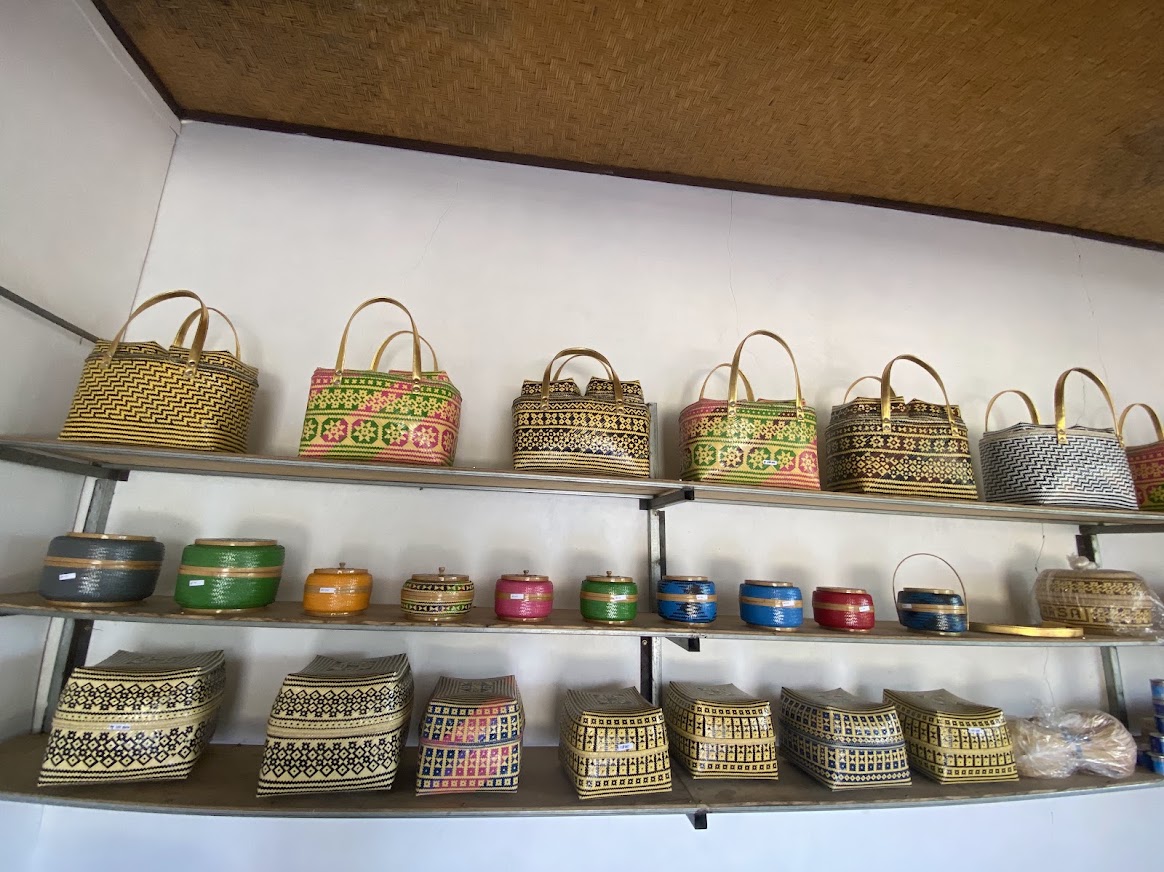
Bamboo Craft: Preserving Local Knowledge and Economic Resources
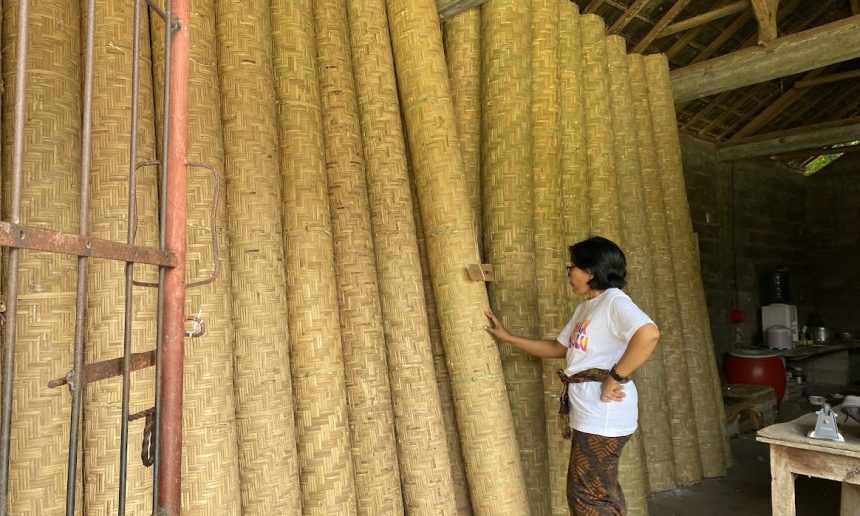
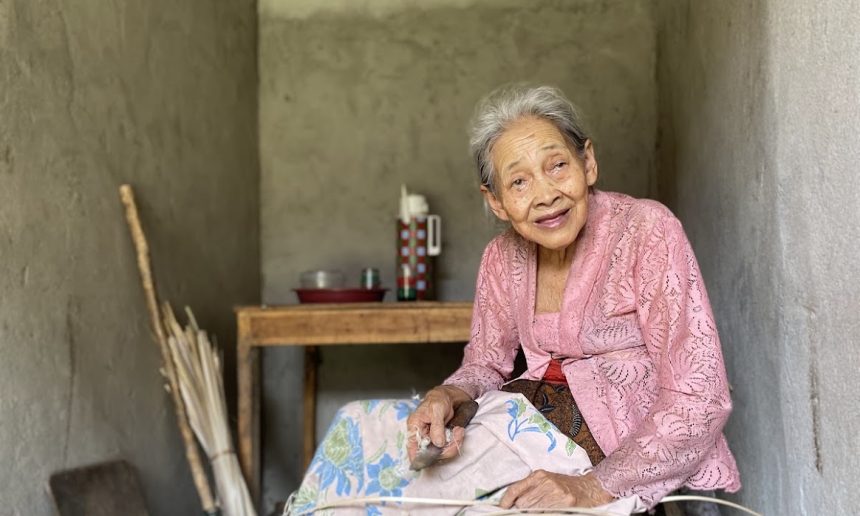
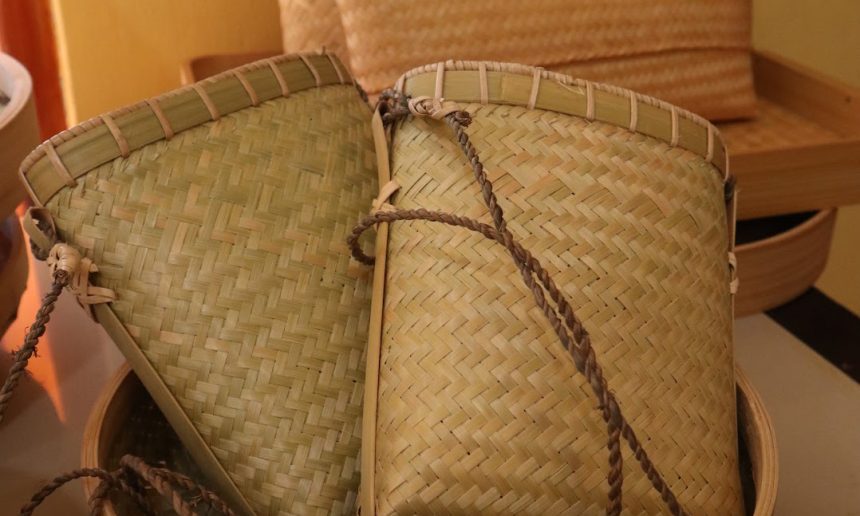
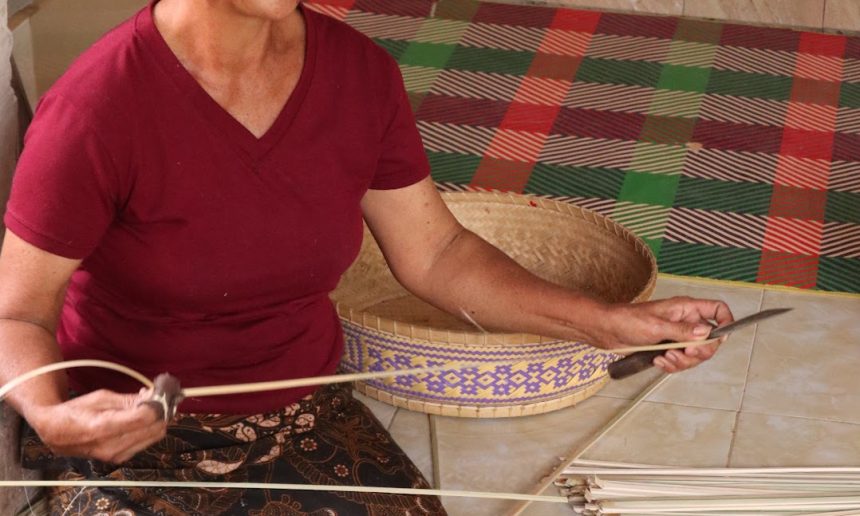
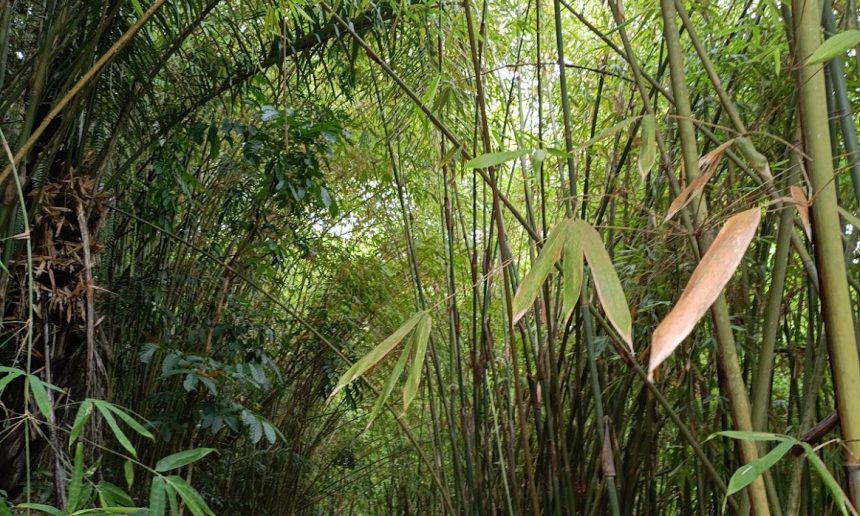
Indigenous communities in Bali possess various forms of local knowledge regarding the utilization of the natural resources in their surroundings. One such example of this local wisdom can be found among the people of Tigawasa, an ancient village located in the Banjar District of Buleleng Regency. The village is recognized as a hub for traditional bamboo craftsmanship in Bali. As the primary material for these crafts, bamboo is readily available in Tigawasa, allowing the community to utilize it as a sustainable raw material.
From an environmental perspective, bamboo plays a vital role in conservation efforts. The plant is known for its ability to store water, produce oxygen, and effectively sequester carbon. Furthermore, bamboo is also used in the traditional ceremonies and rituals of the Tigawasa indigenous community. Consequently, the people of Tigawasa continue to ensure the preservation of bamboo to this day. In fact, there is a sacred area in Tigawasa—a temple site situated within a bamboo forest—where the sanctity is strictly maintained; it is forbidden for people to disturb the area or enter it without authorization.
Tigawasa Bamboo Crafts
Bamboo crafts are not only a local knowledge practice passed down from generation to generation, but also a source of livelihood that plays a vital role in supporting the local economy. According to Gede Guntur Juniarta (26), a young artisan in Tigawasa Village, the skill of weaving is introduced at an early age.
Children in Tigawasa typically become familiar with the weaving process by observing or assisting their parents as they craft bamboo items. This is why, even though not everyone works as a professional artisan, most residents of Tigawasa possess basic bamboo-weaving skills. Guntur explains that the types of bamboo most commonly used for these crafts are “bambu buluh” and “bambu tali”—varieties that are widely cultivated and preserved in Tigawasa Village. He adds that, for the time being, the local supply of bamboo remains sufficient to meet the needs of the village’s artisans.
To this day, the production of bamboo crafts in Tigawasa Village is carried out manually using simple tools, without support of machinery. Made Masa (56), head of BUPDA or “Baga Utsaha Padruwen Desa Adat” (Indigenous Village-Owned Enterprise) Tigawasa Mesari, explains that the traditional craft passed down through generations in Tigawasa was originally the “sokasi polos” (a plain, woven bamboo container). However, starting around the 1980s, the range of bamboo products in Tigawasa began to expand. Beyond the “sokasi polos”, artisans started creating various other items—such as patterned “sokasi”, round-shaped “sokasi”, bamboo bags, tissue holders, “dulang” (traditional serving trays), and a wide array of other crafts that continue to evolve today. This development is the result of training provided to the community, combined with the innovation and creativity of the artisans in Tigawasa Village themselves.
The Role of Bamboo Craft in the Local Economy
Bamboo weaving is an economic activity among the indigenous community in Tigawasa Village. For some, crafting bamboo items serves as a side job, while for others, it acts as a primary source of income. Bamboo products from Tigawasa are currently marketed across various regions in Bali. They are typically sold either directly by the craftspeople themselves or through intermediaries, such as collectors or middlemen. The prices of these bamboo products vary based on their size, shape, type, and the level of complexity and precision required in their creation. Although the income derived from bamboo craft can be unpredictable, it remains a vital economic pillar for the people of Tigawasa in meeting their daily living needs.
In the production process in Tigawasa Village, both men and women work together to create the finished goods. According to Guntur, the craftspeople share responsibilities at every stage—from sourcing the raw bamboo and preparing it for weaving, to the actual weaving process itself. These stages are carried out collectively, reflecting a tradition of communal work that has been passed down through generations in Tigawasa.
The sustainability of the bamboo-weaving tradition also relies heavily on the involvement of the younger generation. In Tigawasa, many young people continue the weaving tradition as a means of earning an income. Beyond preserving local knowledge, the younger generation also introduces fresh ideas for the development of these crafts. Innovations are emerging—both in product design and marketing strategies—such as the use of social media to promote bamboo crafts to a wider audience.
Nevertheless, the sustainability of this tradition also faces various challenges. As times change and access to information and employment opportunities becomes increasingly easy, many young people in Tigawasa Village are choosing to work outside the village—some even going abroad. This situation risks reducing the number of individuals from the younger generation who engage in the tradition of bamboo weaving. Consequently, concerted efforts are required to ensure that this cultural heritage remains alive and can be passed on to future generations.
BUPDA Tigawasa Mesari.
The *Baga Utsaha Padruwen Desa Adat* (BUPDA)—or the Traditional Village-Owned Enterprise—of Tigawasa Mesari, inaugurated on August 9, 2024, represents an effort to build self-reliance and develop the economy of the indigenous community. BUPDA is intended to supply raw materials needed by craftspeople, serve as a platform for marketing various bamboo-woven handicrafts, and facilitate the trade of local agricultural produce.
In practice, however, BUPDA Tigawasa Mesari still faces several challenges. A primary obstacle is limited capital; according to Made Masa, the head of BUPDA, the capital required to procure raw materials is quite substantial. Consequently, for the time being, BUPDA Tigawasa Mesari only offers a selection of samples of the handicrafts produced by artisans in Tigawasa Village. In its current operation, the enterprise functions primarily as an intermediary, connecting consumers with local producers and craftspeople.
Regarding the development of bamboo craft products, Made Masa hopes that the community of Tigawasa Village will eventually receive guidance to enhance the capacity of its artisans—both small-scale and novice craftspeople. Such support is expected to help them refine their skills and create woven products with a greater variety of forms and designs.
Meanwhile, Guntur, representing the younger generation, hopes that local knowledge—specifically the tradition of bamboo weaving—will endure, be preserved, and be passed down to future generations. For Guntur, weaving is not merely a skill; it is an integral part of the identity of the indigenous Tigawasa community. He hopes that this value will become deeply rooted in the younger generation.
“I hope they come to understand that this is a part of our culture. If I cannot weave, then I am not yet fully a member of the Tigawasa community,” he concluded.