

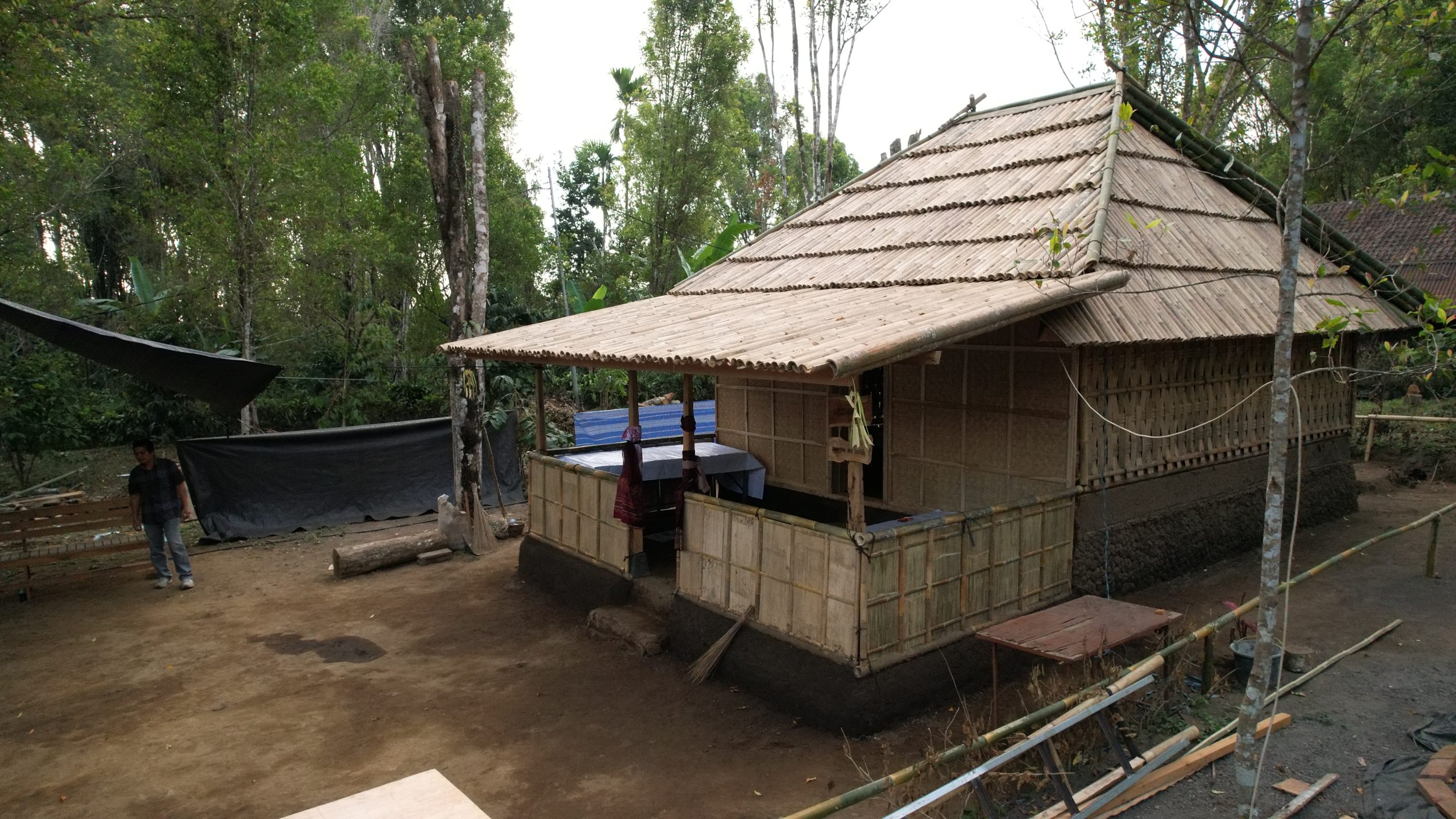
Reviving the Almost Lost Traditional House in Pedawa
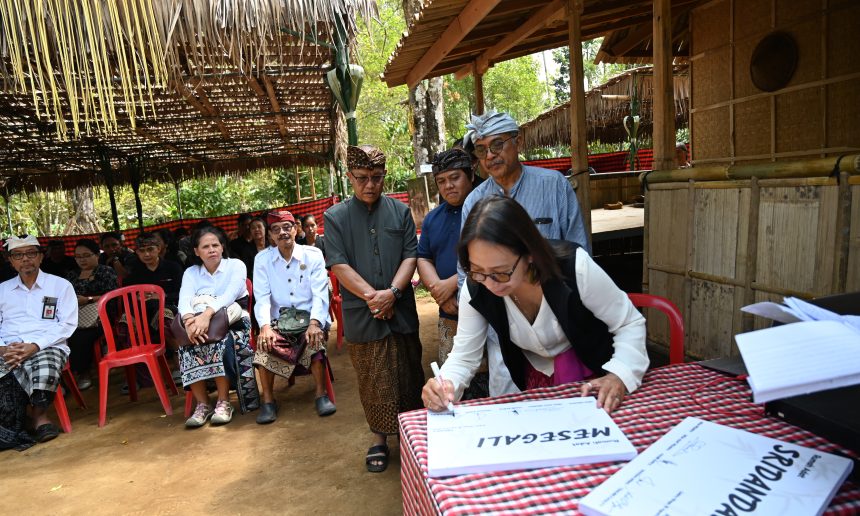
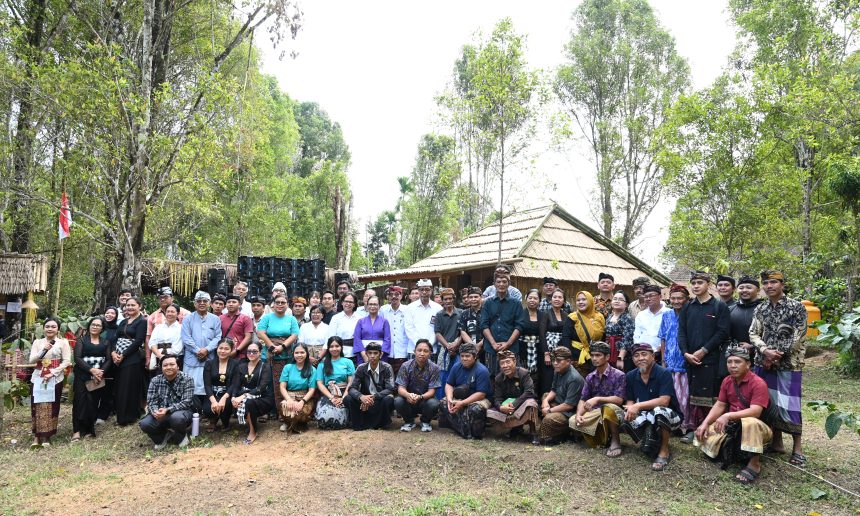
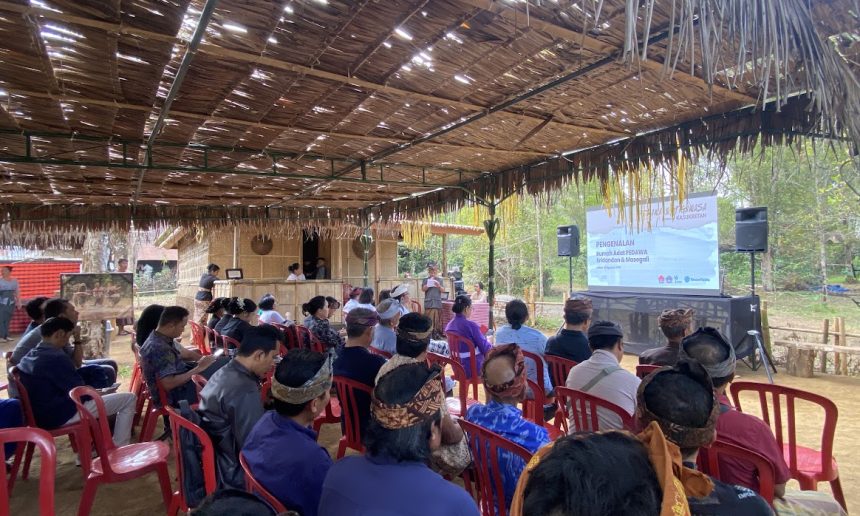
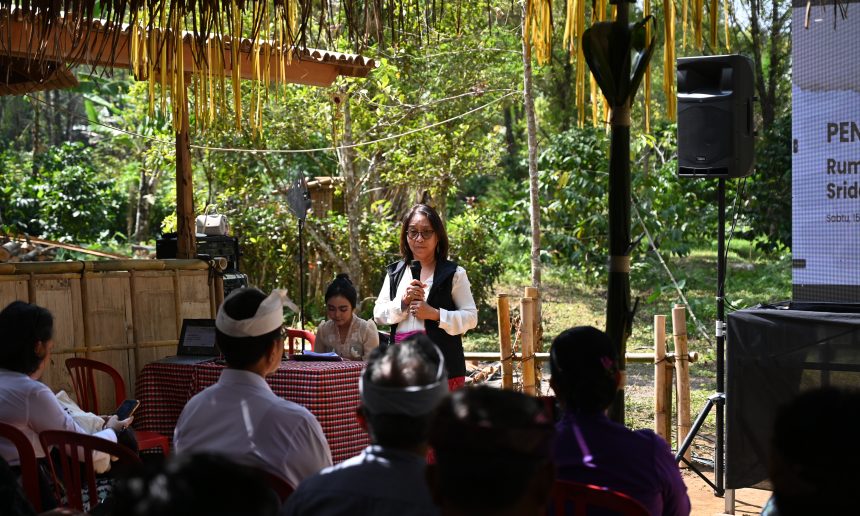
Amidst a clove plantation in the traditional village (Desa Adat) of Pedawa—located in Banjar District, Buleleng Regency, Bali—stands a bamboo structure nestled among the trees. Though modest in size, on Saturday, August 15, 2026, it became the focal point for dozens of people who gathered to witness the unveiling of the “Sridandan” traditional house. Not far away, situated within a durian orchard, stands the “Mesegali” traditional house, which was also inaugurated on the same day.
The “Mesegali” traditional house carries a long and significant history. It represents a style of traditional dwelling that had long since vanished from the Pedawa traditional village. Its revival serves as an effort to reclaim a piece of history that had been lost to the community.
The unveiling of the “Sridandan” and “Mesegali” traditional houses is part of an initiative by the people of the Pedawa traditional village to revive traditional architecture that has become increasingly rare—or, in some cases, entirely lost. Beyond the mere act of reconstruction, this endeavor serves as a way for the community to preserve the memories, knowledge, and cultural heritage passed down by their ancestors.
The Pedawa traditional village is one of the ancient villages in North Bali that continues to uphold various traditions and customs to this day. For the people of Pedawa, a house is more than just a place to live; it embodies the history, identity, and knowledge transmitted from one generation to the next.
In Pedawa, there are three types of traditional houses: “Mesegali”, “Sridandan”, and “Bandung Rangki”. While each possesses distinct architectural characteristics, all three utilize bamboo and wood as their primary materials and are located within the same area, in close proximity to one another.
Rebuilding from the Memories of Elders
I Wayan Sadyana, head of the Manik Empul Traditional School, explained that the reconstruction of the “Mesegali” traditional house took over four months, as the process relied heavily on the memories of the village elders.
These recollections were crucial because the traditional house being rebuilt is no longer a structure commonly seen in Pedawa today. Details regarding its form, layout, and individual components had to be pieced back together from the stories and memories that remain.
“We relied solely on the memories of the elders, as the original structures no longer exist,” he said.
Sadyana noted that the reconstruction of these traditional houses was driven by their historical significance. The houses hold various narratives about the civilization of the Pedawa traditional village, including stories reflecting the self-reliance of its people.
One such example is a tradition requiring every person who marries to build a new house. In this context, a house is not merely a place to live; it serves as a symbol of the beginning of a new life and an individual’s independence within the community.
Preserving Ancestral Knowledge
Beyond their historical value, the use of bamboo and timber in these traditional houses demonstrates the community’s expertise in utilizing materials found in their immediate environment. This practice is also believed to be part of a conservation effort passed down through generations by the ancestors of the Pedawa traditional village.
A 130-Year-Old Door
Within the “Mesegali” traditional house, one particular element carries a long history: a door estimated to be around 130 years old.
Sadyana shared that the door was obtained from one of the “penglingsir”—or respected elders—of the Pedawa community. The owner voluntarily handed over the door, which had been passed down through generations, to be used in the revival of the “Mesegali” traditional house.
For Sadyana, the inclusion of this door is a vital part of the reconstruction process. An object that was once part of a family’s history has now been returned to a traditional house—a structure that holds historical significance for the people of Pedawa.
The door features carvings believed to be an authentic motif of the Pedawa tradition, though the origin and meaning of these designs require further research.
This old door serves as a reminder that a traditional house is not merely a collection of wood, bamboo, and architectural forms; it also embodies the memories, knowledge, and stories passed down from one generation to the next.
Exhibition of Local Products
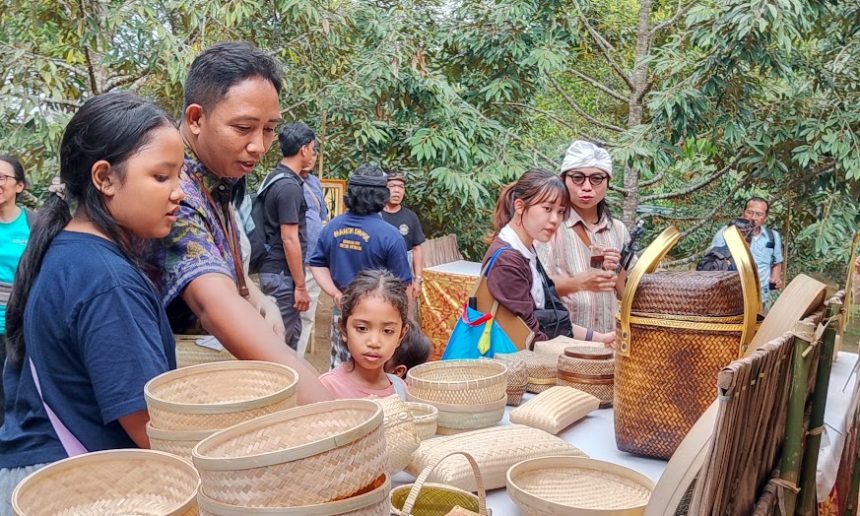
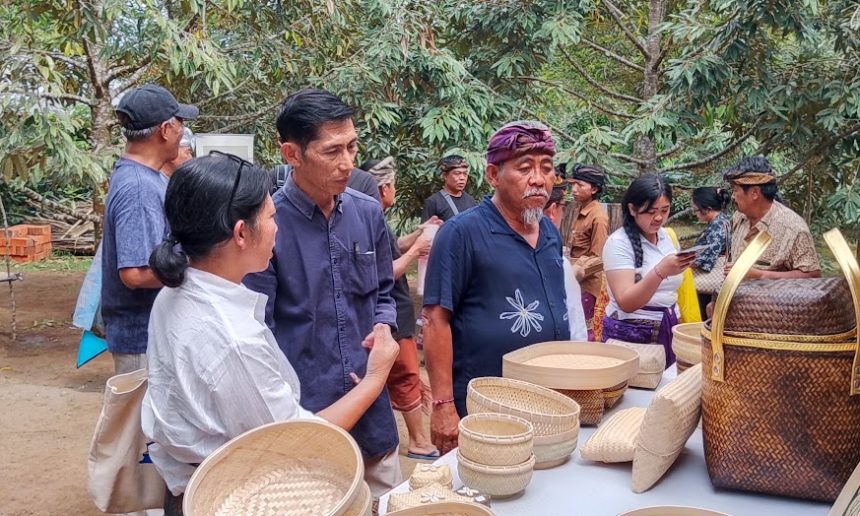
In addition to reintroducing the “Sridandan” and “Mesegali” traditional houses, the event on August 15, 2026, featured an exhibition of local products from the “Desa Adat” (traditional village) of Pedawa and the village of Tigawasa.
The exhibition showcased a variety of products born from the potential and knowledge of the village communities. Tigawasa presented bamboo-woven crafts, while “Desa Adat” Pedawa showcased palm sugar and its derivatives, as well as locally produced ground coffee.
These products complement the narrative surrounding the traditional houses. While the houses preserve the knowledge and history of the community, the local products demonstrate how traditional knowledge and local resources continue to be utilized in the daily lives of the people today.
The event was attended by the Bali Provincial Office for the Advancement of Traditional Villages (“Dinas Pemajuan Masyarakat Adat”), the Bali Provincial Council of Traditional Villages (“Majelis Desa Adat”), the Buleleng Regency Council of Traditional Villages, the Banjar District Council of Traditional Villages, academics, various non-governmental organizations (NGOs) in Bali, the indigenous community of Pedawa, and representatives from neighboring traditional villages.
Part of the “Kasukretan Desa Adat” Initiative
The procurement and reconstruction of the “Mesegali” and “Sridandan” traditional houses were the result of a collaboration between “Desa Adat” (Traditional Village) Pedawa and the Wisnu Foundation, under the Towards Kasukretan Desa Adat (Traditional Village Welfare) program. “Kasukretan” refers to a state of order, security, comfort, peace, and tranquility among the village’s indigenous members (“krama adat”), guest members (“krama tamiu”), and visitors (“tamiu”), encompassing both the physical (“sakala”) and spiritual (“niskala”) realms.
The implementation incorporates approaches rooted in tenure justice, restorative economics, agroecology, and climate solutions. The program has been ongoing since September 2025, with funding support from the Tenure Facility.
The Head of the Office for the Advancement of Traditional Villages, I G.A.K. Kartika Jaya Seputra, S.H., M.H., stated that traditional villages in Bali play a vital role as guardians of customs, religion, traditions, arts, culture, and local wisdom. He also expressed his appreciation for the various parties that have supported the government in accelerating the strengthening and advancement of traditional villages (“desa adat”).
According to him, the values passed down by the ancestors of the Balinese people emphasize the importance of living in harmony with nature. These values remain evident in the lives of the Pedawa community, who maintain a connection between humanity, the environment, and their traditions.
“We must live in unity with nature. Nature is, in fact, an extension of ourselves. The way we care for ourselves is the same way we should care for our nature. Nature provides everything,” he said.
The reconstruction of the “Mesegali” and “Sridandan” traditional houses is not merely an effort to restore architectural forms that had been lost; it is also part of an endeavor to preserve the Pedawa community’s bond with nature, their culture, and their ancestral heritage.