


Youth Movement for Water Conservation
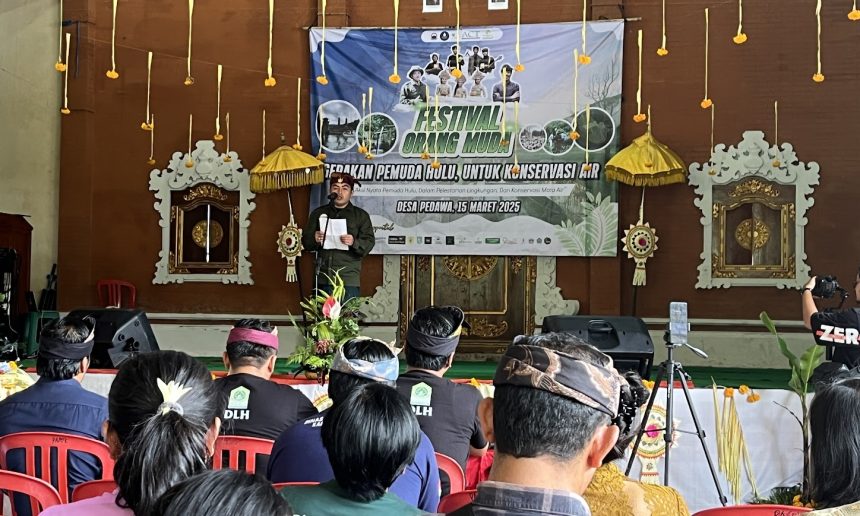
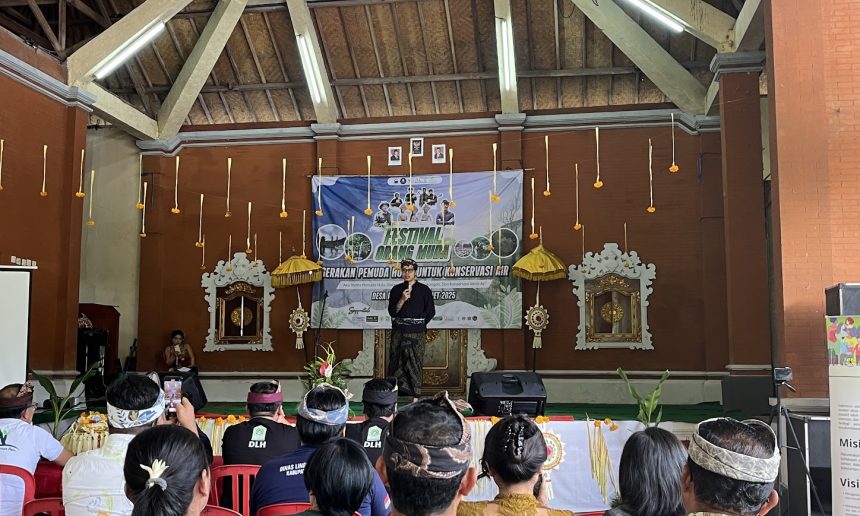
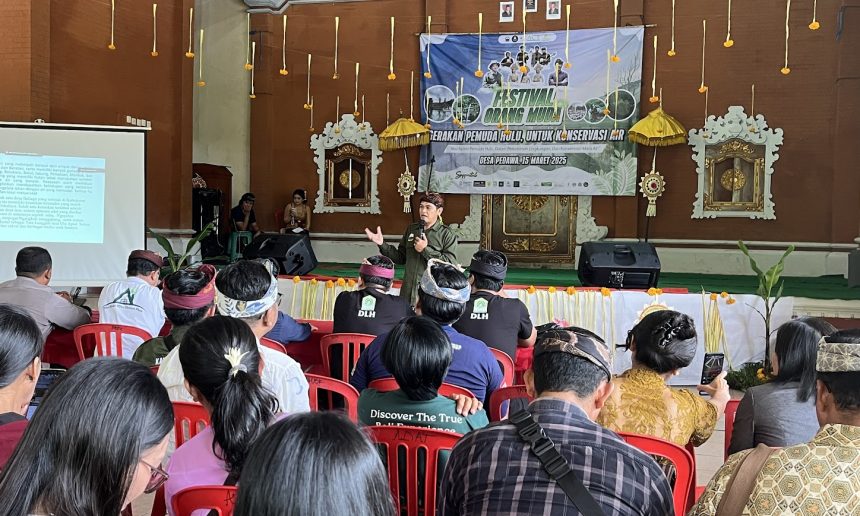
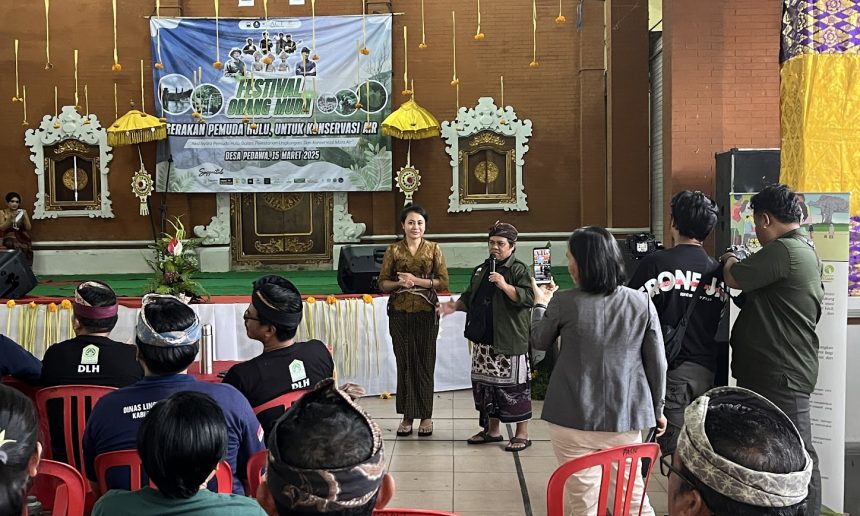
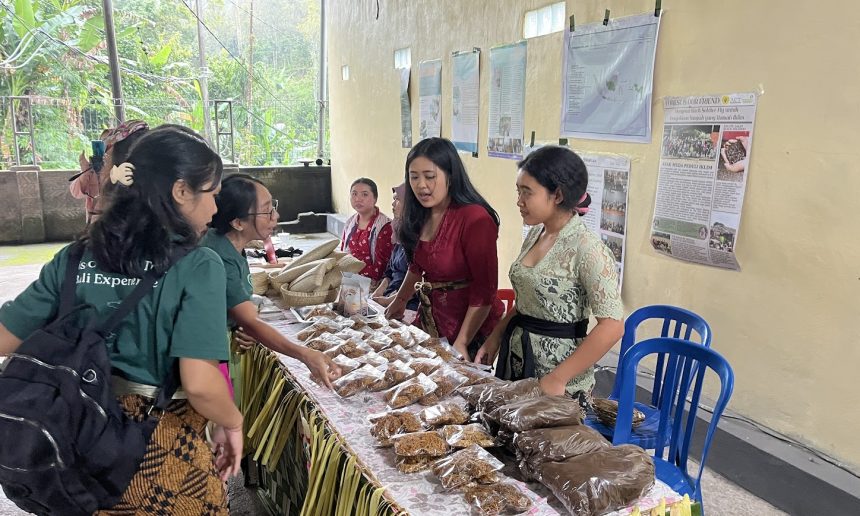
Indonesia for Humanity (IKa) collaborates with the young empowered grant recipient community, Wisnu Foundation as one of the members of the root power community, Kayoman Pedawa, and several communities in the Buleleng Bali area to hold the Youth Festival. The theme of this festival is “Upstream Youth Movement for Nature Conservation”. This festival will be held on March 15, 2025, carried out in a hybrid manner and attended by approximately 9 youth communities from Catur Desa (Gobleg, Gesing, Munduk, Umejero) and Panca Desa (Sidetapa, Tigawasa, Cempaga, Banyusri, Pedawa) which are part of the Kayoman Pedawa Community network, Buleleng. This festival is also a continuation of the Wiradewari Festival 2.0 as well as part of the closing of the Youth Program. The activity which will take place from morning to evening is a space for young people to discuss, collaborate, and strengthen organizations and networks for social and climate justice, especially related to water conservation. Water has become a very important discourse today amidst the issue of the water crisis and young people hold a moral responsibility to preserve water. The series of events consisted of a poster exhibition of the Young Empowered Community and Kayoman Community Network initiatives, a performance of the Sekar Jagat Dance, then a presentation and discussion session related to the experiences of upstream youth for water conservation by Ketut Santi Adnyana and Putu Yuli Supriyandana. Ketut Santi Adnyana from the representative of the young people of the Dalem Tamblingan Indigenous Community and BRASTI explained that the Dalem Tamblingan Indigenous Community has existed since the time of the Ancient Balinese Kingdom. The Dalem Tamblingan indigenous community inhabits the area around Lake Tamblingan which is located in a forest area called Alas Mertajati. The name Tamblingan itself is believed to come from the words tamba and eling, Tamba means medicine and Eling means aware, so Tamblingan itself means “medicine that maintains awareness”. Aware of the importance of nature and aware that nature is the source of life.
The conservation concept that our country believes in generally uses the concept of external conservation, by excluding humans from the area. In fact, indigenous people already have a conservation concept that is still relevant today, namely by maintaining the sanctity and sacredness of the conservation area. Currently, the Alas Mertajati forest has the status of a state forest with several functions such as a Nature Tourism Park (TWA), Nature Reserve, and Protected Forest. Many investors have come to build tourist attractions. As for MADT, the Lake Tamblingan area is a sacred area. The values in preserving nature are widely inherited by the ancestors in various rituals in the Dalem Tamblingan Indigenous Community. One of the biggest rituals in the Dalem Tamblingan Indigenous Community is the Karya Alilitan ritual. The Karya Alilitan ritual contains the concept of Nyegara Gunung which teaches holistic conservation values, because Nyegara Gunung is a philosophy that the sea and mountains are an inseparable unity. This ritual symbolizes that the welfare that has been bestowed by God must be spread to all areas from the mountains to the coastal areas and the sea. In maintaining the ancestral values of MADT, the BRASTI organization was formed, a group of young people who preserve and document ancestral values to make them into digital inscriptions and become a space in the movement to fight for Alas Mertajati to become a customary forest. Conservation activities carried out include the release of kuyuh fish, an endemic fish in Lake Tamblingan that is starting to become extinct even though it is very important in rituals. In addition, water conservation activities carried out include planting and cultivating pandak pine, one of the oldest endemic plants in the Batukaru Nature Reserve area which acts as a wind, erosion, and flood barrier. Another resource person, Putu Yuli, the Head of Kayoman Pedawa, explained the important role of water in various traditional rituals, including in Yajna rituals such as Dewa Yajna (Ceremony for the God), Pitra Yajna (Cremation Ceremony), Rsi Yajna (Ceremony for the Priests), Manusa Yajna (Ceremony for the People), and Bhuta Yajna (Ceremony for the Spirits). This ritual includes five forms of sacred offerings that use water as a symbol of purity and life. So that the preservation of water sources in Pedawa village is not only to maintain the ecosystem but also to maintain cultural traditions. There are around 25 springs used for rituals in Pedawa village. Aware of the importance of preserving these springs, a youth organization of Pedawa Village was formed, called Kayoman Pedawa. Some of Kayoman Pedawa’s program activities include:
- Creating tree seedlings to support reforestation activities
- Planting trees
- Mapping springs to understand the distribution and condition of water resources
- Documentation of activities through photos and videos
- Spring adoption program
- Environmental education program for students and university students
Land ownership at the water source is mostly still owned by Pedawa people (54%), outsiders (27%), and the rest is owned by Pedawa people and outsiders (19%). Challenges faced in preserving water sources include changes in rainfall patterns and global temperatures affecting water availability (climate change), several water catchment areas are being converted into agricultural land or settlements, not all people understand the importance of preserving water sources (need to provide education), and the construction of villas near water sources.
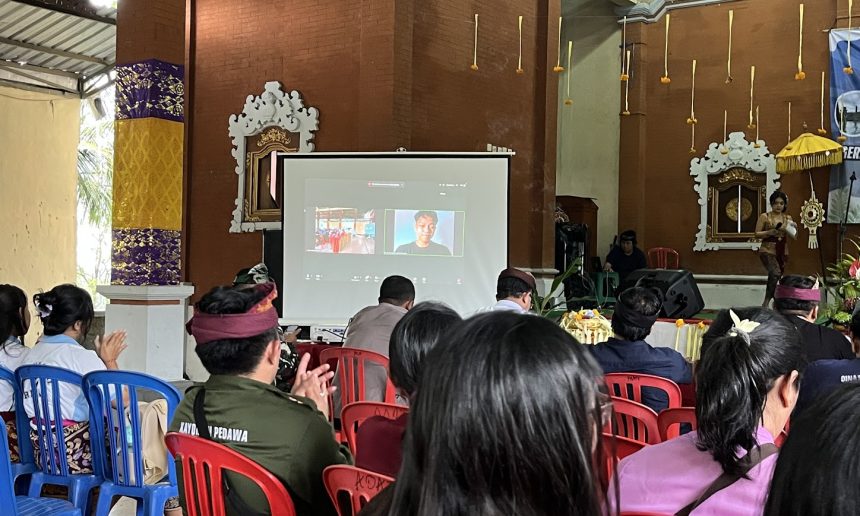
The next session was a short discussion with Jro Jemiwi, a life coach for self-love. There were many inspiring things in this discussion, one of which was that in today’s life, our common enemy is greed. Accompanied by heavy rain, the event was then closed with a musical performance by BRASTI (Debi S, Ogi et al.). Representatives of the Young Empowered Community from the Indonesian Youth Program for Humanity were also present online to share stories of their youth initiatives, namely Youthfel Indonesia, Rumah Bacarita Sejarah, and Sekolah Pesisi Juang. This activity is one of the efforts in increasing the capacity of empowered young communities. This is a commitment of IKa supported by the Asian Community Trust (ACT) Japan to improve the ability of knowledge and skills in accordance with the goal of building self-reliance for young communities.