

Fighting for Climate Justice with the INCLINE Application
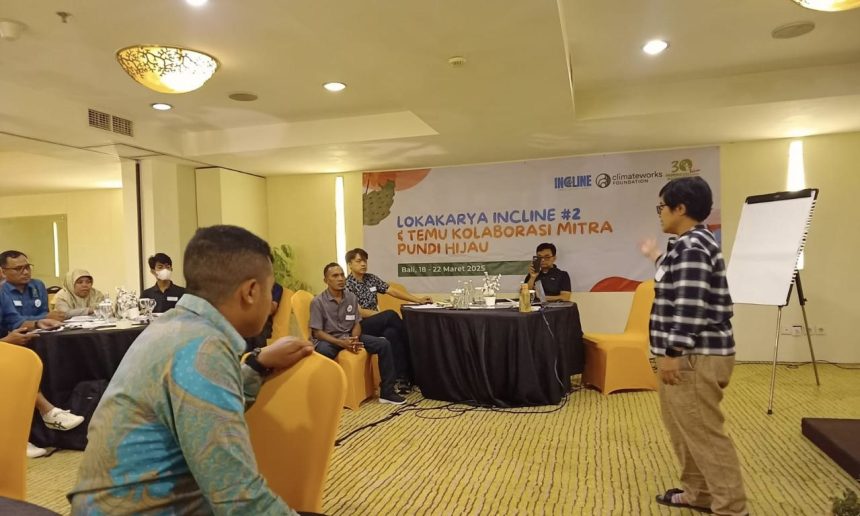
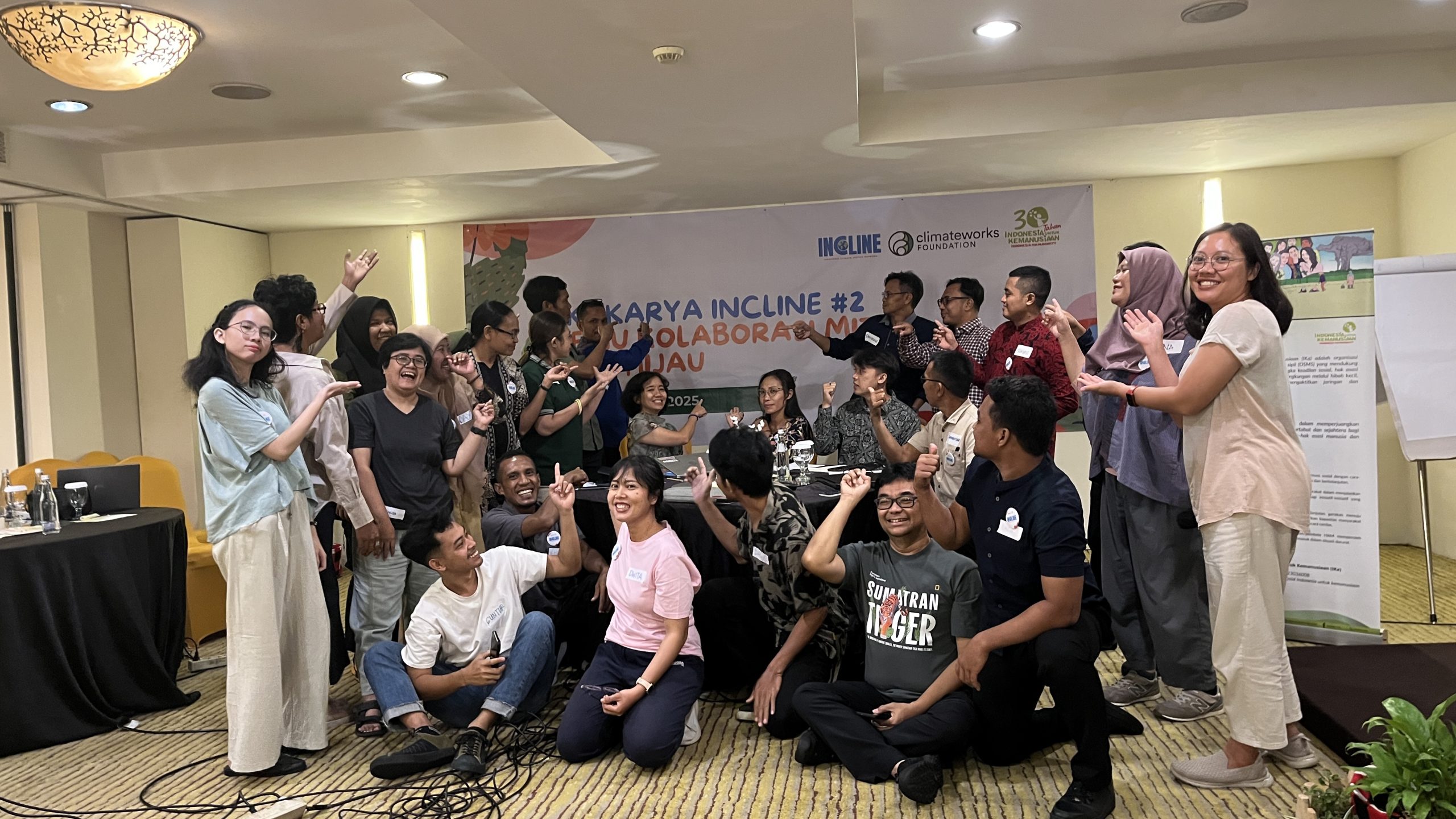
Indonesia for Humanity (IKa) held an INCLINE (Indonesia Climate Justice Network) application training for communities receiving Pundi Hijau grants in the 2025, 2024, and 2023 periods. This activity was supported by the ClimateWork Foundation through the JEDI program. IKa as a Civil Society Resource Organization (CSRO) identified the need for collaboration in addressing the impacts of climate change that cause injustice. Thus, the INCLINE (Indonesian Climate Justice Network) or #JAGAINIklim (Indonesian Movement Network for Climate Justice) network was formed, which together intends to fight for climate justice for the community, especially those who are victims and most vulnerable to the impacts of climate change.
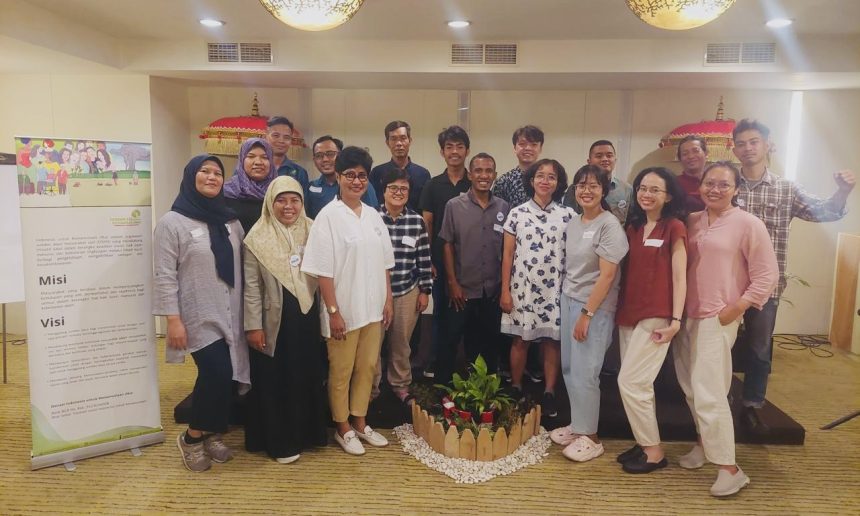
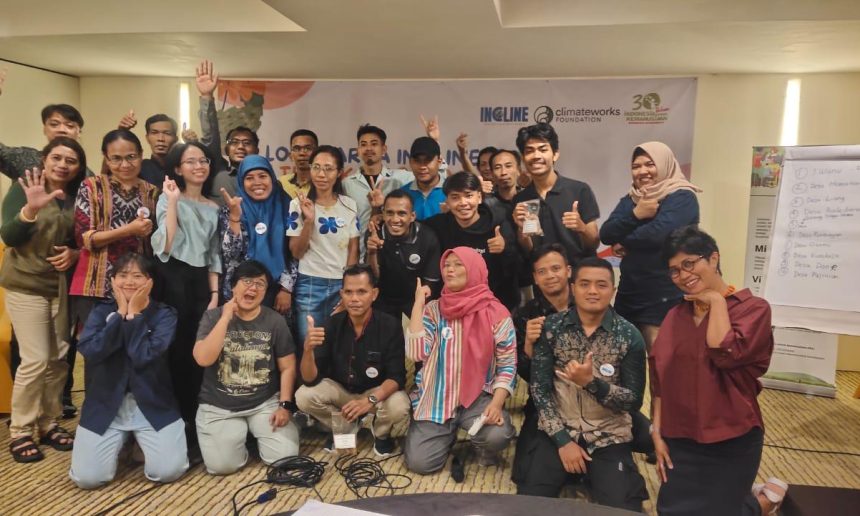
The Wisnu Foundation as one of the communities included in the Akar Daya Community was given the opportunity to participate in this training for 5 days from March 18-22, 2025. In addition to one representative from the institution, this training also invited representatives of village officials who have the authority to handle environmental issues. Representatives of village officials in Bali who participated in this training were from Tigawasa Village. The institutions and village representatives who attended included:
- Danang Setiawan – Head of Pundungan Village, Klaten, Central Java
- Muslim Afandi – Secretary General of Pusur Institute, Klaten, Central Java
- Raudlatun (Odax) – Perempuan Kobher (Smart Mothers’ Association), Sumenep, Madura
- Moh. Suaryadi Hasan – Secretary of Matanair Village, Matanair Village, Sumenep, Madura
- Bagus Ademillah F. – Lifestyle Institute (LOH), Sumbawa
- Jufrianto M. – Secretary of Balebrang Village, Balebrang Village, Sumbawa
- Yohanes Kopang L. – Head of General Affairs of Pajinian Village Government, West Adonara, East Flores, NTT
- Brian Benedicto – Program Manager, Flores Agro Sorghum Foundation (Yasores), West Adonara, East Flores, NTT
- Ida Ayu Dwitasari – Research & Mapping Staff, Wisnu Foundation, Bali
- Guntur Juniarta – Representative of Tigawasa Village, Tigawasa Village, Buleleng Regency, Bali
- Nur Laila Salidin (Ela) – Staff of Liang Village, Liang Village, Ambon, Maluku
- Vivi Marantika – Maluku Association for Humanity (HUMANUM), Maluku
- Agustina Wonga B. – PAPHA Indonesia, Maumere
- Ardianus Dala – Village Secretary, Done Village, Sikka, Maumere
- Baizar Zulmi – RUBEK PASI (Great House of the Nature and Restoration Community), Aceh Singkil, Aceh
- Hermansyah – Village Head, Gosong Telaga Utara Village, Aceh Singkil, Aceh
- Maria Mervina N. Mey – Pelita Harapan NGO, Lembata Regency, NTT
- Maria Monika Poring – Village Secretary, Katakeja Village, Lembata Regency, NTT
- Faiz Naufal D.R. – Wangsakerta Foundation, Cirebon, West Java
- Saripin – Digital Village Coordinator, Citemu Village, Cirebon, West Java
This workshop activity focuses on technical explanations of the use of the INCLINE application. The INCLINE application is Android-based and functions to build data on indicators of exposure, sensitivity and adaptive capacity of communities to the impacts of the climate crisis. The output of this application is a report on the results of data analysis for the benefit of users which can be used to carry out mitigation plans or activities, adaptation or the creation of targeted policies related to the impacts of climate change.
INCLINE Workshop #2 Pundi Hijau Partners was held to strengthen community capacity in dealing with climate change and promoting environmental justice. This workshop aims to:
- Identify the impacts of climate change at the community level.
- Analyze community exposure, sensitivity, and adaptive capacity to climate change.
- Build data-based mitigation and adaptation strategies using the INCLINE application.
- Prepare environmental and climate justice action plans at the village level.
The initial presentation in this workshop explained climate change, global warming, and the differences between climate and non-climate disasters. The first day’s activities, participants from various regions were asked to tell about the impacts of climate change, for example:
- Water crisis and environmental degradation due to illegal mining (Sumbawa, NTB).
- Unpredictable planting seasons due to changes in weather patterns (Klaten, Central Java).
- High waves and abrasion that hinder fishermen and coastal women (Ambon, Maluku).
- Social conflict due to the struggle for water resources (East Flores, NTT).
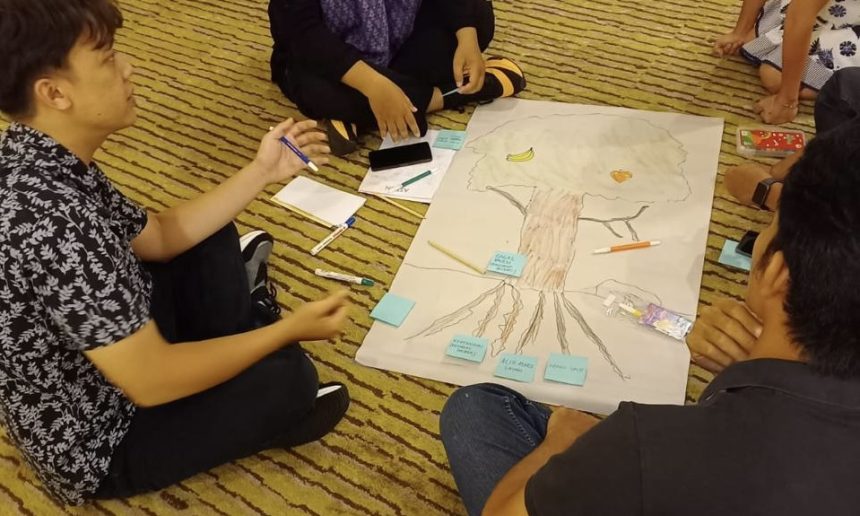
Climate change can have positive or negative impacts, but the negative impacts are greater and need to be anticipated through mitigation and adaptation to reduce the risk of climate disasters. In the facilitator’s home area, there were previously no swiftlets. However, a few years later swiftlets began to appear. In the past, mosquitoes were only found at a maximum altitude of 650 meters above sea level. Now, mosquitoes can be found even at an altitude of 800-900 meters above sea level. This is because of changes in temperature that allow mosquitoes to live in higher areas. Another impact is that Arabica coffee trees may disappear or experience a decrease in production of up to 80% by 2050 if the temperature continues to rise. Participants were then given material related to pentagonal assets, which consist of natural resource assets (such as local potential that is often forgotten that these assets exist in the community), social assets, physical assets, financial assets and human assets.
According to Mr. Jalal, the IKa Green Fund Steering Team, a flood can only be categorized as a disaster if it has caused negative disruption to humans and the community’s livelihoods, and the cycle repeats itself. For example, a flood that damages people’s homes and gardens. However, floods can also be a blessing in certain contexts. For example, in the Aswan River, Egypt, agricultural land on the banks of the river can only be used after it has flooded. Thus, flooding is actually a blessing for the local community.
Mr. Jalal conveyed a very important point regarding the perspective of Human Rights (HAM) in environmental issues. Many people mistakenly assume that human rights are only related to violence or murder, whereas the right to a good and healthy environment is also part of human rights. Mr. Jalal also shared his experience when suing the Indonesian government in 2018 over an air pollution case in Jakarta. The parties sued included: the President of the Republic of Indonesia, the Minister of Environment and Forestry, the Minister of Health, the Minister of Home Affairs, the Governors of Jakarta, Banten, and West Java. Mr. Jalan was one of 30 people who sued the Indonesian government. This case included elements of human rights in its lawsuit, emphasizing that the right to clean air is part of human rights. Mr. Jalal has won three times at every level of court.
Participants were then introduced to the INCLINE application that requires social and spatial data in the village. This application allows communities to:
- Collect social and geospatial data related to climate disasters that occur in their respective villages.
- Analyze exposure, sensitivity, and adaptive capacity of communities to environmental threats.
- Prepare policy recommendations based on data and vulnerability analysis obtained from the INCLINE application.
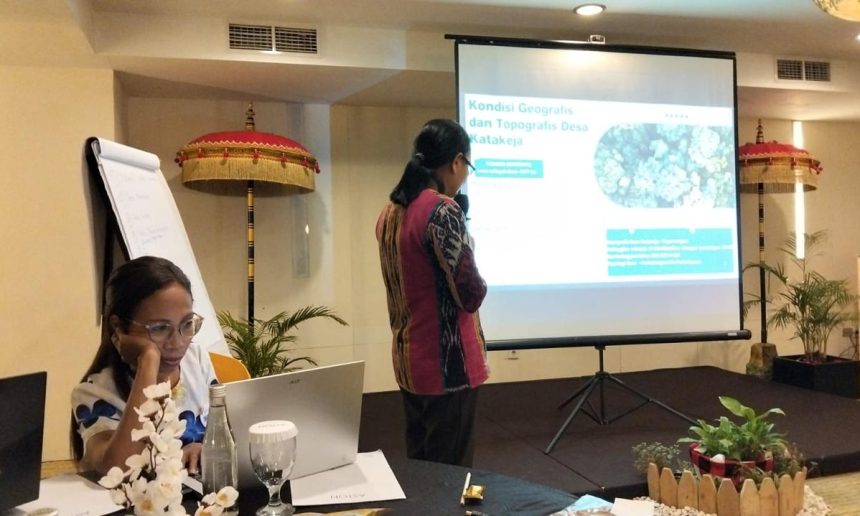
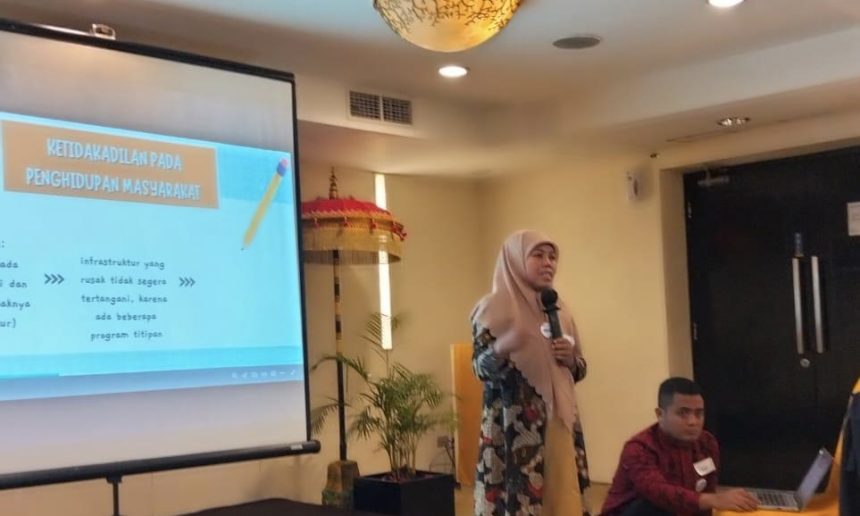
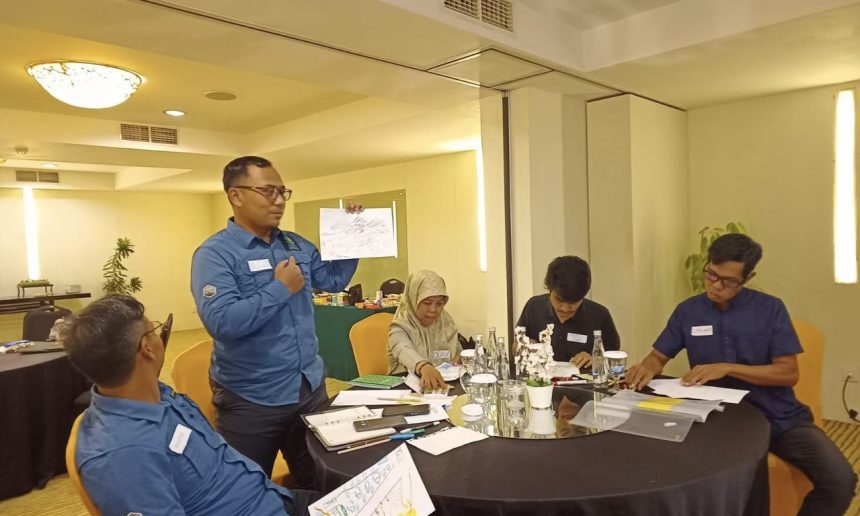
On the last day, participants presented their respective village action plans, which included short-term and long-term strategies in dealing with climate change. The facilitator provided input to strengthen the sustainability of the program.
INCLINE Workshop #2 Pundi Hijau Partners emphasized the importance of:
- Use of data in environmental advocacy. Collaboration between communities, village governments, and civil society organizations in overcoming the climate crisis.
- Climate justice as part of human rights, where communities must have the right to a healthy environment.
The workshop was closed with statements from the facilitator and participant representatives. The main hope of this workshop is that communities can implement the strategies that have been designed and continue to fight for climate justice in their respective areas with the INCLINE application. It is hoped that the results of this workshop can be a basis for communities in building more inclusive environmental policies based on social justice, so that environmental sustainability can be maintained for future generations.